VisiFlora Review: Does This 22-Ingredient Vision Formula Really Make Sense?
VisiFlora is marketed as a daily vision-support supplement built around the connection between nutritional support, eye health and the gut-eye axis. But does the formula actually make sense, and is VisiFlora legitimate?
We looked closely at the ingredients, the way the formula is positioned, the potential benefits, common concerns, the guarantee and the questions people typically ask before deciding whether to try it.
ACCESS THE WEBSITE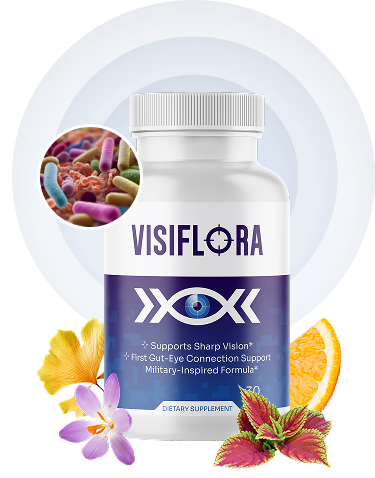
VisiFlora Review: Our Overall Assessment
The most important thing to understand is that VisiFlora is a nutritional supplement — not a prescription treatment for eye disease. Its formula combines several nutrients and botanical ingredients that are commonly discussed in the context of eye nutrition and antioxidant support.
Our verdict: VisiFlora has an interesting and unusually broad ingredient profile for a vision-support supplement. The inclusion of lutein, zeaxanthin, astaxanthin, bilberry, saffron, vitamins and minerals gives the formula a recognizable nutritional foundation.
The gut-eye concept is also interesting, although consumers should distinguish between research about individual ingredients or the gut-eye connection and clinical evidence specifically proving that the finished VisiFlora product treats or reverses a medical condition.
What Is VisiFlora?
VisiFlora is marketed as a daily dietary supplement designed to support overall eye wellness through a combination of antioxidants, carotenoids, vitamins, minerals and botanical extracts.
Vision-Focused Nutrition
The formula contains nutrients commonly associated with normal eye function and antioxidant protection, including lutein, zeaxanthin, vitamin A, zinc and other compounds.
The Gut-Eye Approach
VisiFlora also emphasizes the relationship between digestive health, nutrient absorption, immune signaling and eye wellness. This is the foundation of its “gut-eye” positioning.
How Does VisiFlora Work?
Rather than relying on one single ingredient, VisiFlora uses a multi-ingredient approach.
Antioxidant Support
Several ingredients are included for their antioxidant properties, helping support the body's natural defenses against oxidative stress.
Macular Nutrition
Lutein and zeaxanthin are carotenoids commonly associated with macular pigment and nutritional eye support.
Gut-Eye Support
The formula also incorporates compounds intended to support the body's internal environment and the gut-eye connection.
The 22 VisiFlora Ingredients Explained
One of the most important parts of any supplement review is looking beyond the marketing language and examining what is actually listed in the formula.
1. Astaxanthin
A carotenoid antioxidant frequently used in nutritional formulas designed to support eye and cellular health.
2. Lutein
A carotenoid concentrated in the macula and commonly used in eye-health nutrition.
3. Zeaxanthin
Another macular carotenoid that works alongside lutein in nutritional approaches to eye wellness.
4. Bilberry Extract
A botanical extract rich in anthocyanins and frequently included in formulas focused on visual and antioxidant support.
5. Saffron Extract
A botanical ingredient that has been investigated in nutritional research involving visual function.
6. Eyebright
A traditional botanical commonly associated with eye wellness products.
7. Vitamin A
An essential nutrient involved in normal vision and normal immune function.
8. Vitamin C
An antioxidant nutrient that contributes to normal cellular protection.
9. Vitamin E
A fat-soluble antioxidant involved in protecting cells from oxidative stress.
10. Zinc
An essential mineral involved in normal vision and several biological functions.
11. Selenium
A trace mineral involved in antioxidant defense and normal cellular function.
12. Copper
An essential mineral involved in normal connective tissue and cellular function.
13. Chromium
A trace mineral associated with normal macronutrient metabolism.
14. Taurine
An amino-acid-like compound found naturally in the body and used in various nutritional formulations.
15. Alpha Lipoic Acid
A compound with antioxidant activity that is frequently used in nutritional formulas.
16. Ginkgo Biloba
A botanical commonly included in supplements intended to support circulation and cognitive or visual wellness.
17. Coleus Forskohlii
A botanical extract used in traditional and modern supplement formulations.
18. Grape Seed Extract
A source of polyphenols and antioxidant compounds.
19. Rutin
A flavonoid commonly included in antioxidant and circulation-focused formulas.
20. Quercetin
A plant flavonoid studied for antioxidant and cellular-support properties.
21. Lycopene
A carotenoid antioxidant found naturally in tomatoes and other foods.
22. Rhodiola & Ashwagandha
Botanical adaptogenic ingredients included in the broader formulation.
What Are the Potential Benefits of VisiFlora?
Based on the ingredients and the way the product is positioned, the potential areas of nutritional support include:
👁 Eye Wellness
Provides nutrients commonly used to support normal eye function and general visual wellness.
💻 Screen-Time Support
Its antioxidant and carotenoid profile makes it relevant to people looking for nutritional support while spending significant time around digital screens.
🌙 Visual Nutrition
Several ingredients are traditionally associated with visual performance and retinal nutrition.
What Makes VisiFlora Different?
Many eye supplements focus primarily on one or two nutrients. VisiFlora takes a broader approach.
| Feature | Basic Eye Supplement | VisiFlora Approach |
|---|---|---|
| Carotenoids | Often included | Lutein + Zeaxanthin |
| Antioxidant ingredients | Varies | Multiple sources |
| Botanical ingredients | Varies | Several botanicals |
| Gut-eye positioning | Usually limited | Central concept |
| Ingredient diversity | Usually narrower | 22 listed ingredients |
VisiFlora Pros & Cons
✓ Pros
- Broad 22-ingredient formula
- Includes lutein and zeaxanthin
- Includes several antioxidant nutrients
- Interesting gut-eye positioning
- Convenient daily supplement format
- Multiple botanical ingredients
- Official website provides a money-back guarantee
! Things To Consider
- Individual results can vary
- The finished formula should not be confused with a clinically proven treatment
- People taking medication should check ingredients with a healthcare professional
- The price may be higher than basic eye vitamins
- Some people may prefer a simpler formula
- Supplements are not substitutes for professional eye care
Is VisiFlora Legit or a Scam?
VisiFlora Appears to Be a Real Supplement — But Keep Expectations Realistic
Based on the product information reviewed, VisiFlora is presented as a real dietary supplement with a defined ingredient formula, an official sales website and a stated money-back guarantee.
The more important question is not simply whether the bottle exists. It is whether every marketing claim made about the formula is supported by strong clinical evidence.
Our answer is more nuanced: several individual ingredients have legitimate nutritional or scientific relevance, but that does not automatically mean the finished VisiFlora formula has been proven to treat or reverse a specific eye disease.
Bottom line: We would not classify VisiFlora as a “miracle cure.” It is better understood as a nutritional eye-support formula with a broad ingredient profile.
Does VisiFlora Really Work?
What We Can Say
Several ingredients in VisiFlora are well-known nutritional compounds used in eye-health supplements. Lutein, zeaxanthin, vitamin A and zinc, for example, have established roles in normal eye nutrition.
What We Cannot Promise
No responsible review should promise that VisiFlora will restore eyesight, reverse an eye disease, eliminate the need for glasses or replace medical treatment.
Who Might Consider VisiFlora?
✓ Screen Users
Adults who spend substantial time using computers, phones or other digital devices and are interested in nutritional eye support.
✓ Wellness-Focused Adults
People looking for a broad nutritional formula rather than a single-ingredient eye supplement.
✓ People Interested in Eye Nutrition
Individuals who want to add nutrients commonly associated with eye wellness to an overall healthy lifestyle.
Who Should Be More Careful?
- Anyone who is pregnant or breastfeeding should speak with a healthcare professional before using a multi-ingredient supplement.
- Anyone taking prescription medication should review the ingredient list with a qualified healthcare professional.
- People with diagnosed eye disease should continue following their eye-care professional's treatment plan.
- Anyone with allergies or sensitivities should carefully review the complete product label before use.
- People expecting an immediate or dramatic change in vision should keep expectations realistic.
VisiFlora Side Effects: What Should You Know?
Any dietary supplement can cause unwanted effects in some individuals, especially when multiple ingredients are combined.
Possible Individual Sensitivities
Tolerance can vary from person to person. If you experience an unexpected reaction after starting a supplement, stop using it and consult a healthcare professional.
Medication Interactions Matter
Botanical ingredients can interact with medications. This is why people taking prescription drugs should review the full ingredient list with their doctor or pharmacist before use.
Is VisiFlora FDA Approved?
This is an important distinction: dietary supplements are not FDA-approved in the same way prescription drugs are.
A supplement company may manufacture its product in an FDA-registered facility or follow Good Manufacturing Practices (GMP), but that does not mean the FDA has evaluated and approved the finished supplement for effectiveness.
Consumers should therefore be cautious whenever a supplement is described simply as “FDA approved.”
What About the VisiFlora Guarantee?
The sales page reviewed for this article advertises a money-back guarantee. Always review the current official terms before placing an order because promotional conditions can change.
Money-Back Policy
The sales page currently promotes a money-back guarantee designed to reduce the financial risk of trying the product.
Pricing Can Change
Promotional prices, bundles, bonuses and shipping offers can change. The official website should always be considered the current source for pricing.
Check Before Ordering
Review the current refund terms, shipping details, subscription conditions and order information before submitting payment.
Our Final VisiFlora Review
Is VisiFlora Worth Considering?
After looking at the formula as a whole, VisiFlora is more interesting than a basic one-ingredient eye supplement because it combines carotenoids, vitamins, minerals, antioxidants and botanicals in one formula.
The strongest part of the formula is arguably its breadth. The inclusion of lutein, zeaxanthin, astaxanthin, bilberry, saffron and essential nutrients gives the product a recognizable eye-health nutrition profile.
The gut-eye concept is an interesting differentiator, but consumers should understand that a scientific rationale for an ingredient or biological pathway is not the same thing as clinical proof that the finished product will produce a particular result.
Our final take: VisiFlora may be worth considering for adults looking for broad nutritional eye support, provided they have realistic expectations and understand that it is a supplement rather than a medical treatment.
ACCESS THE WEBSITEFrequently Asked Questions About VisiFlora
Here are the questions people are most likely to ask before trying VisiFlora.
What is VisiFlora?
Is VisiFlora legitimate?
Is VisiFlora a scam?
Does VisiFlora really work?
What are the main VisiFlora ingredients?
How many ingredients does VisiFlora contain?
Does VisiFlora contain lutein?
Does VisiFlora contain zeaxanthin?
Does VisiFlora contain astaxanthin?
Can VisiFlora restore eyesight?
Can VisiFlora replace glasses?
Does VisiFlora treat eye disease?
Are there VisiFlora side effects?
Is VisiFlora safe?
Is VisiFlora FDA approved?
Where is VisiFlora made?
How should I buy VisiFlora?
Does VisiFlora offer a money-back guarantee?
Is VisiFlora a medication?
Who should not take VisiFlora?
Want to Examine VisiFlora for Yourself?
The official website contains the current product information, ingredients, pricing, availability, ordering details and guarantee terms.
ACCESS THE WEBSITEAffiliate disclosure: We may receive a commission if you visit the official website through our link. This does not change the price you pay.