

Many men assume erectile dysfunction (ED) happens suddenly. In reality, it often develops gradually, with subtle warning signs appearing months or even years before the condition becomes severe.
Recognizing the early signs of erectile dysfunction can help you take action sooner, improve your overall health, and potentially address underlying issues before they become more difficult to manage.
The good news is that erectile dysfunction is extremely common, and in many cases, early intervention can make a significant difference.
In this guide, you’ll learn:
- The earliest warning signs of ED
- Common causes and risk factors
- When to seek professional help
- Lifestyle changes that may help support sexual health
- Frequently asked questions about erectile dysfunction
Understanding these symptoms could help protect not only your sexual health but also your overall well-being.
What Is Erectile Dysfunction?
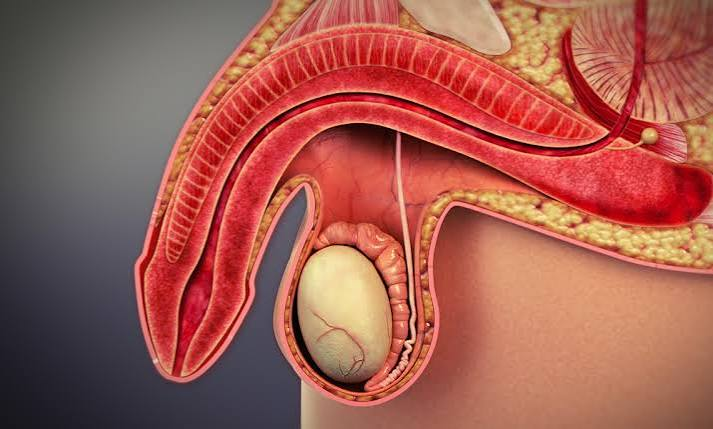
Erectile dysfunction is the inability to achieve or maintain an erection firm enough for satisfactory sexual activity.
Contrary to popular belief, ED is not simply a normal part of aging. While age increases risk, many younger men also experience erectile difficulties due to lifestyle factors, stress, hormonal imbalances, or underlying medical conditions.
Occasional performance issues are normal. However, persistent symptoms may indicate the beginning stages of erectile dysfunction.
Why Early Detection Matters
The penis relies heavily on healthy blood flow. In fact, erectile dysfunction can sometimes be one of the earliest signs of cardiovascular disease, diabetes, or hormonal issues.
Early recognition allows men to:
- Address underlying health concerns
- Improve blood circulation
- Reduce anxiety related to performance
- Restore confidence
- Improve relationship satisfaction
- Prevent worsening symptoms
Many healthcare professionals consider erectile dysfunction a potential early warning sign of broader health problems.
The Most Common Early Signs of Erectile Dysfunction
Difficulty Maintaining an Erection
One of the earliest symptoms is being able to achieve an erection but struggling to maintain it throughout sexual activity.
This may happen occasionally at first but gradually become more frequent.
Common experiences include:
- Losing firmness during intercourse
- Erections fading unexpectedly
- Difficulty staying aroused
Reduced Morning Erections
Healthy men often experience spontaneous erections during sleep and upon waking.
A noticeable decline in morning erections may indicate changes in:
- Blood flow
- Testosterone levels
- Nerve function
- Overall vascular health
While occasional variations are normal, consistent changes deserve attention.
Erections Are Less Firm Than Before
Many men notice that erections no longer feel as strong or rigid as they once did.
This symptom can appear long before complete erectile dysfunction develops.
Possible contributing factors include:
- Reduced circulation
- High blood pressure
- Smoking
- Obesity
- Hormonal changes
Increased Time Needed to Become Aroused
Another early warning sign is requiring significantly more stimulation to achieve an erection.
Men may notice:
- Slower arousal
- Reduced responsiveness
- Less spontaneous sexual excitement
While aging can influence sexual response, dramatic changes should not be ignored.
Reduced Sexual Desire
Although erectile dysfunction and libido are different issues, they often overlap.
A decline in sexual interest may be associated with:
- Low testosterone
- Chronic stress
- Depression
- Poor sleep quality
- Certain medications
Performance Anxiety
A single episode of erection difficulty can create anxiety about future sexual encounters.
This anxiety often creates a cycle:
- Worry about performance
- Increased stress hormones
- Reduced blood flow
- More erection difficulties
- Greater anxiety
Breaking this cycle early is important.
Ready to Take the Next Step?
Understanding what causes erectile dysfunction is important—but taking action is what matters most.
If you’re looking for a natural way to support healthy blood flow, male vitality, and sexual performance, this supplement may be worth considering.
👉 Click Here to Learn More
Physical Causes of Erectile Dysfunction
Cardiovascular Disease
Healthy erections depend on healthy blood vessels.
Conditions affecting circulation include:
- High blood pressure
- Atherosclerosis
- High cholesterol
- Heart disease
Because penile arteries are smaller than many other blood vessels, erectile problems can appear before other cardiovascular symptoms.
Diabetes
Diabetes can damage blood vessels, nerves, and circulation.
Men with diabetes often have a significantly higher risk of developing erectile dysfunction.
Obesity
Excess body fat contributes to:
- Inflammation
- Reduced testosterone
- Poor circulation
- Increased risk of diabetes
Weight management can help improve erectile function and overall health.
Low Testosterone
Testosterone plays a major role in:
- Sexual desire
- Energy levels
- Mood
- Erectile health
Symptoms may include:
- Fatigue
- Reduced libido
- Loss of muscle mass
- Difficulty achieving erections
Medication Side Effects
Some medications may contribute to erectile difficulties, including certain drugs used to treat:
- High blood pressure
- Depression
- Anxiety
- Hormonal conditions
Never stop prescribed medication without consulting a healthcare professional.
Psychological Causes of Erectile Dysfunction
Physical factors are not the only contributors.
Stress
Chronic stress increases cortisol levels, which may interfere with sexual performance.
Sources of stress include:
- Financial pressure
- Work demands
- Family responsibilities
- Health concerns
Depression
Depression can affect both sexual desire and erectile function.
Many men report:
- Reduced motivation
- Lower libido
- Emotional withdrawal
- Difficulty maintaining erections
Relationship Issues
Communication problems, unresolved conflicts, and emotional disconnection can all affect sexual performance.
Healthy relationships often support better sexual health.
Anxiety Disorders
Generalized anxiety can significantly interfere with sexual function.
The body’s stress response is designed for survival, not sexual performance.
Risk Factors You Should Know
Several factors increase the likelihood of experiencing erectile dysfunction.
Major risk factors include:
- Smoking
- Excessive alcohol use
- Obesity
- Sedentary lifestyle
- Diabetes
- High blood pressure
- High cholesterol
- Chronic stress
- Sleep disorders
- Aging
The more risk factors present, the greater the likelihood of developing erectile dysfunction.
A Common Real-Life Scenario
Imagine a 45-year-old office worker who notices occasional difficulty maintaining erections.
Initially, he assumes it’s simply stress.
However, after a routine medical examination, he discovers elevated blood pressure, high cholesterol, and poor sleep habits.
By improving his diet, exercising regularly, and managing stress more effectively, he experiences significant improvements in both cardiovascular health and sexual performance.
This example highlights why early symptoms should never be ignored.
Lifestyle Changes That May Help
Exercise Regularly
Physical activity improves:
- Blood circulation
- Cardiovascular health
- Hormone balance
- Confidence
Aim for at least 150 minutes of moderate exercise each week.
Improve Your Diet
Focus on:
- Vegetables
- Fruits
- Lean proteins
- Healthy fats
- Whole grains
Try to limit:
- Processed foods
- Excess sugar
- Trans fats
A heart-healthy diet often supports better erectile health as well.
Prioritize Sleep
Poor sleep negatively affects:
- Testosterone production
- Mood
- Energy levels
- Sexual performance
Most adults benefit from seven to nine hours of quality sleep each night.
Quit Smoking
Smoking damages blood vessels and reduces circulation throughout the body.
Many men notice improvements in their overall health after quitting.
Reduce Alcohol Consumption
Excessive drinking can impair:
- Nerve function
- Hormone production
- Erectile response
Moderation is important for maintaining long-term sexual health.
Ready to Take the Next Step?
Understanding what causes erectile dysfunction is important—but taking action is what matters most.
If you’re looking for a natural way to support healthy blood flow, male vitality, and sexual performance, this supplement may be worth considering.
👉 Click Here to Learn More
When Should You See a Doctor?
Seek professional evaluation if:
- Symptoms persist for several weeks or months
- Erectile difficulties occur frequently
- Sexual desire declines significantly
- You have diabetes or cardiovascular disease
- ED affects your quality of life
Early assessment can identify underlying health conditions before they become more serious.
Common Mistakes to Avoid
Ignoring Early Symptoms
Many men wait too long before addressing concerns.
Early intervention often produces better outcomes.
Assuming It’s Only Aging
While age increases risk, ED is not inevitable.
Many contributing factors can be addressed.
Relying on Unverified Remedies
Not every supplement or online solution is supported by evidence.
Research carefully before trying any product.
Neglecting Overall Health
Erectile function reflects broader physical health.
Ignoring diet, exercise, sleep, and stress management can worsen symptoms over time.
Avoiding Professional Help
Embarrassment prevents many men from seeking care.
Healthcare providers discuss these concerns regularly and can offer valuable guidance.
Expert Tips
Monitor Changes Over Time
Keep track of:
- Frequency of symptoms
- Erection quality
- Libido changes
- Lifestyle habits
Patterns may help identify contributing factors.
Focus on Cardiovascular Health
Improving heart health often supports erectile function.
Helpful strategies include:
- Walking daily
- Controlling blood pressure
- Managing cholesterol
- Maintaining a healthy weight
Manage Stress Proactively
Effective methods include:
- Meditation
- Exercise
- Deep breathing
- Counseling
- Better time management
Don’t Ignore Mental Health
Psychological well-being plays a significant role in sexual function.
Addressing anxiety and depression may improve symptoms considerably.
Frequently Asked Questions
What are the earliest signs of erectile dysfunction?
Common early signs include weaker erections, difficulty maintaining firmness, reduced morning erections, and increased time needed to become aroused.
Can erectile dysfunction be reversed?
In some cases, lifestyle improvements, treatment of underlying conditions, and medical guidance may help improve erectile function.
Is erectile dysfunction a normal part of aging?
No. Aging increases risk, but erectile dysfunction is not inevitable and should not simply be accepted as normal.
Can stress cause erectile dysfunction?
Yes. Chronic stress can interfere with blood flow, hormone balance, and sexual performance.
Does low testosterone always cause ED?
Not always. While low testosterone may contribute, many cases involve vascular, neurological, psychological, or lifestyle-related factors.
Are morning erections important?
Yes. Regular morning erections generally indicate healthy blood flow and nerve function.
Can exercise improve erectile function?
Many studies suggest regular physical activity improves circulation, cardiovascular health, and overall sexual performance.
When should I seek professional help?
If symptoms become frequent, persistent, or affect your quality of life, schedule an evaluation with a healthcare provider.
Summary
The early signs of erectile dysfunction often appear gradually and may include:
- Difficulty maintaining erections
- Reduced morning erections
- Less firmness
- Lower sexual desire
- Increased performance anxiety
- Slower arousal
Recognizing these warning signs early can help identify underlying health concerns and support better long-term outcomes.
Conclusion
Understanding the early signs of erectile dysfunction is one of the most important steps men can take to protect their sexual and overall health.
Erectile dysfunction is often more than a bedroom issue. It can signal problems involving circulation, hormones, stress, or other health-related factors. Fortunately, early action can make a meaningful difference.
By improving lifestyle habits, monitoring symptoms, and seeking professional guidance when needed, many men can take positive steps toward better health, confidence, and sexual wellness.
Ready to Take the Next Step?
Understanding what causes erectile dysfunction is important—but taking action is what matters most.
If you’re looking for a natural way to support healthy blood flow, male vitality, and sexual performance, this supplement may be worth considering.
👉 Click Here to Learn More
Key Takeaways
- Erectile dysfunction often develops gradually.
- Reduced morning erections may be an early warning sign.
- Cardiovascular health strongly affects erectile function.
- Stress and anxiety can contribute to ED symptoms.
- Healthy lifestyle changes may support sexual performance.
- Early detection may lead to better outcomes.
- ED can sometimes indicate broader health concerns.
- Blood flow plays a critical role in erectile health.
- Maintaining overall wellness supports sexual wellness.
- Taking action early may help preserve confidence and quality of life.
Leave a Reply